
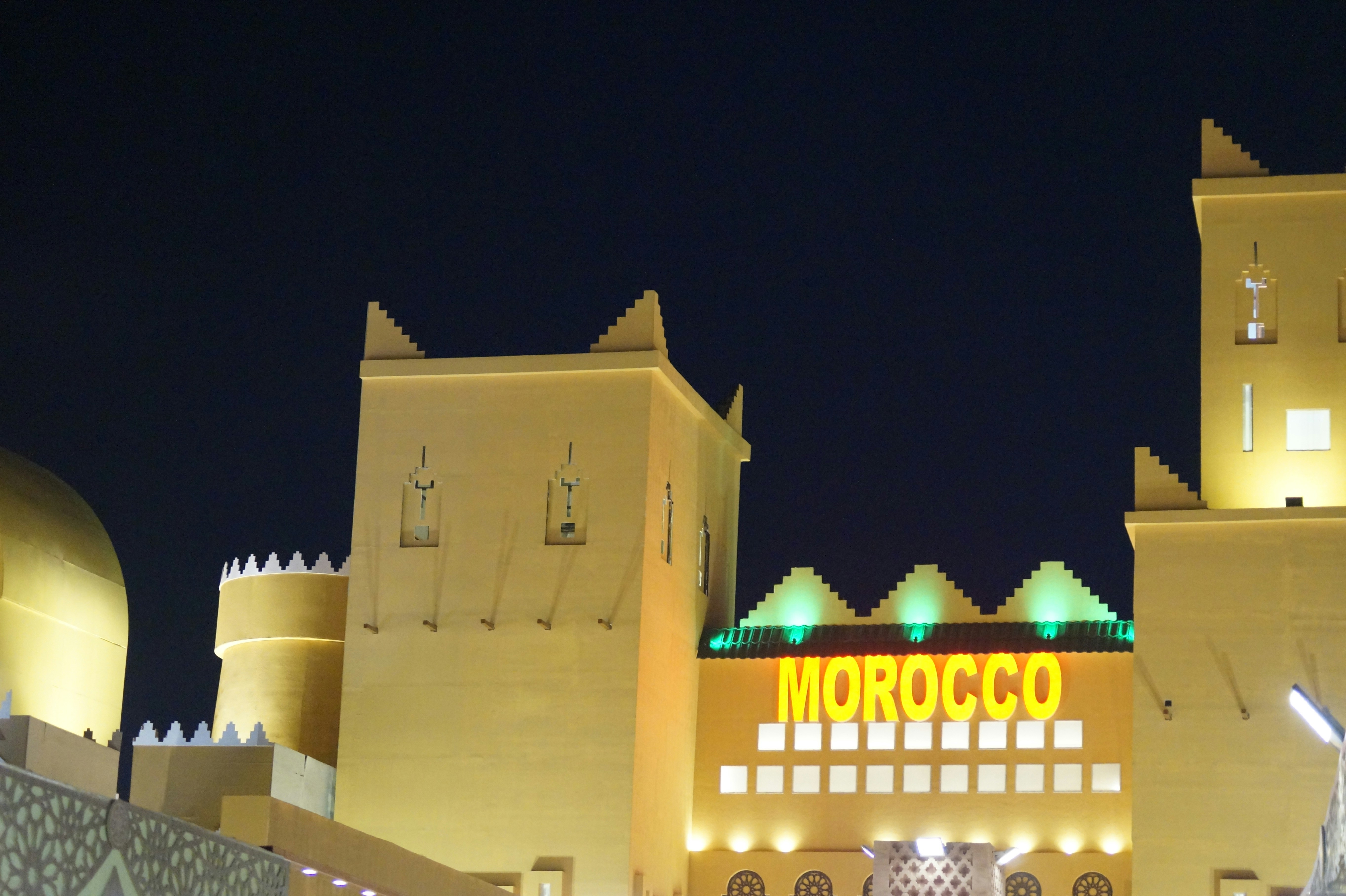
Introduction to Business Incorporation in Morocco
Incorporating a business in Morocco holds significant importance for entrepreneurs looking to establish a reputable presence in a nation characterized by a growing economy and strategic geographical advantages. Morocco has become an attractive destination for foreign investments, thanks to its political stability, robust infrastructure, and commitment to fostering a favorable business climate. The country’s strategic location as a gateway to Europe, Africa, and the Middle East further enhances its appeal, making it a prime candidate for companies aiming to expand their operations.
One of the primary advantages of formalizing a business structure in Morocco is the legal protection it provides. Incorporation offers a distinct legal identity, allowing entrepreneurs to separate their personal assets from those of the business. This separation not only mitigates personal liability but also strengthens the business’s credibility in the eyes of customers, suppliers, and potential investors.
Access to funding is another critical benefit of business incorporation in Morocco. Banks and financial institutions are generally more willing to lend to businesses that have undergone the formal incorporation process, as it signifies a commitment to operating within the legal framework of the country. This access to funding can be instrumental in facilitating growth and scaling operations effectively.
Additionally, incorporating a business can lead to potential tax benefits, as many jurisdictions offer various incentives to attract and retain businesses. Morocco, in particular, has been making strides to incorporate favorable tax regimes and incentives to enhance the business landscape, thereby encouraging both local and foreign entrepreneurs.
In summary, the process of incorporating a business in Morocco is not only a legal necessity but also a strategic move that can pave the way for sustainable growth and competitiveness in a dynamic market.
Understanding Business Structures in Morocco
When considering the establishment of a business in Morocco, it is crucial for entrepreneurs to understand the various business structures available. The choice of a suitable structure affects not only the legal framework of the business but also its taxation, liability, and management. Here are the primary business structures prevalent in Morocco.
Firstly, the Sole Proprietorship is perhaps the simplest form of business entity. It is owned and operated by a single individual who retains full control and responsibility. This structure offers ease of formation and lower registration costs. However, the owner faces unlimited liability, meaning personal assets are at risk in case of debt or legal challenges.
Next is the Limited Liability Company (SARL), which is favored among small to medium enterprises. In a SARL, owners (known as partners) benefit from limited liability, thus safeguarding personal assets from business debts. This structure requires at least two partners, with a maximum limit of 50. Although it offers more credibility and easier access to financing, the process of setting up a SARL can be more complex and costly than that of a sole proprietorship.
Another significant entity is the Joint Stock Company (SA). This structure allows for the issuance of shares, making it ideal for larger businesses or those seeking significant investment. An SA requires a minimum of five shareholders and adheres to stricter regulations, including mandatory audits and greater transparency. While potential returns can be high, the legal obligations and governance can also pose challenges.
Other business structures include partnerships, cooperatives, and branch offices of foreign companies. Each structure comes with unique characteristics, advantages, and challenges that entrepreneurs need to carefully evaluate. By understanding these options, business owners in Morocco can make informed decisions that align with their goals and risk tolerance.
Research and Planning Before Incorporation
Before embarking on the journey of incorporating a business in Morocco, conducting thorough research and meticulous planning is paramount. The initial phase involves undertaking comprehensive market research to understand the economic landscape. This entails analyzing trends, consumer preferences, and potential demand for your product or service. Utilizing both primary and secondary research methods can provide valuable insights that help in making informed business decisions.
Identifying competitors is another essential component of the preparatory phase. Analyzing existing businesses within your niche allows you to gauge their strengths and weaknesses. This competitive analysis not only helps in refining your unique selling proposition but also enables you to identify potential gaps in the market. Understanding how established entities operate can guide your strategy and provide a clear path for your business to position itself effectively within the Moroccan market.
Equally important is assessing target markets. Defining your ideal customer profile ensures that marketing efforts are directed towards the appropriate audience. This assessment should include demographic details, buying patterns, and preferences specific to the Moroccan market. Tailoring your approach to the cultural and social nuances of local consumers can significantly enhance your business’s chances of success.
Moreover, evaluating local regulations and business practices is crucial. Familiarizing yourself with the legal framework, taxation policies, and compliance requirements in Morocco will aid in navigating potential bureaucratic obstacles. Engaging with local legal advisors or consulting agencies can provide clarity on necessary permits, licenses, and any restrictions that may apply to your business model.
Investing time in thorough groundwork, including market research and understanding the regulatory landscape, is imperative for ensuring a successful incorporation process in Morocco. Preparing adequately will lay a strong foundation for your business to thrive in this vibrant economic environment.
Choosing a Business Name and Registering It
When establishing a business in Morocco, the first critical step involves choosing a suitable business name. This name not only reflects your brand identity but also plays a significant role in marketing and customer recognition. Ensuring that the name aligns with Moroccan naming conventions is essential. According to Moroccan law, the business name should be distinct and not misleading, avoiding any terms that may imply government affiliation unless authorized. It’s advisable to select a name that resonates with the local culture and market preferences.
Once you have identified a potential name, the next step is to conduct a name availability search. This can be accomplished through the website of the Office of Industrial and Commercial Property (OMPIC). OMPIC provides the necessary mechanisms to check if your chosen name is already registered by another business. If the name is available, you can proceed with the registration process. Utilizing this online resource is a time-efficient method to ensure compliance with legal requirements.
The application process for registering your business name with OMPIC generally requires the submission of a completed application form along with supporting documents, including an identity document and proof of residence. Depending on the nature of your business, additional documentation may be requested. The registration fees can also vary, so it is important to budget accordingly. Once your name is registered, you will receive a registration certificate, which is pivotal for moving forward with other business establishment processes, including opening a business bank account and obtaining necessary licenses.
Overall, the process of selecting and registering a business name in Morocco is straightforward, but it necessitates attention to detail and adherence to legal requirements. By carefully considering your name choice and following the established protocols, you set a solid foundation for your new venture. In conclusion, taking the time to effectively name and register your business can significantly influence its success in the Moroccan market.
Preparing Required Documentation
When considering business incorporation in Morocco, it is imperative to prepare the necessary documentation meticulously. The specific requirements can vary based on the type of business structure selected, whether it be a sole proprietorship, partnership, or limited liability company. Frequently, all businesses will be required to submit a robust business plan, which outlines the objectives, operational strategy, and financial projections of the venture.
Identification documents are essential for all stakeholders involved in the business. For Moroccan citizens, a national identification card is typically required. Foreign investors, on the other hand, must provide a valid passport along with any relevant residency permits. Furthermore, collecting and presenting proof of address for both the business premises and the owners is crucial; this may include a lease agreement or utility bill that indicates the business location.
Additionally, depending on the nature of the business, specific licenses or permits may be mandatory before commencing operations. For instance, businesses in sectors such as food and beverage, healthcare, and education must comply with particular regulatory guidelines and should secure the appropriate permits from relevant authorities. Therefore, it is advisable to conduct thorough research into the sector-specific requirements applicable to your business model.
Ensuring that all documentation is complete and in order at the initial stages can prevent potential complications later on in the incorporation process. It is often recommended to seek assistance from legal or financial professionals who are familiar with Moroccan business regulations to aid in the preparation of these documents. By approaching this task diligently, entrepreneurs will streamline the incorporation process and pave the way for a successful business venture in Morocco.
Opening a Corporate Bank Account
Opening a corporate bank account in Morocco is a significant step following the incorporation of a business. This process is essential for managing financial transactions, maintaining transparency, and meeting regulatory requirements. It is important to navigate through the necessary procedures to ensure that the chosen banking solution aligns with the business’s operational needs.
The first step in opening a corporate bank account is to select a bank that offers services suitable for your business model. Several prominent banks operate in Morocco, providing varying features such as accessibility, customer service, and account options. Factors to consider include the bank’s international connections, technology for online banking, and fees associated with account management and transactions.
Once a bank is selected, the business will need to gather essential documentation required for account opening. Typically, this includes the business registration certificate, tax registration documents, company bylaws, and identification documents for the authorized signatories. It is vital to ensure that all documents are up-to-date, as this can expedite the account opening process.
Furthermore, Morocco’s banking regulations may stipulate specific requirements depending on the nature of the business. Businesses should be informed about the regulatory framework, particularly concerning anti-money laundering (AML) policies, which necessitate the disclosure of the source of funds and transaction details. Compliance with these regulations is crucial to avoid potential legal issues.
Selecting the right bank is pivotal; therefore, it is advisable to conduct thorough research and, if possible, seek recommendations from local business owners. Assess the quality of customer support, availability of dedicated relationship managers, and additional banking services such as credit facilities or business loans. Ultimately, a well-chosen banking partner can significantly contribute to the smooth financial operations of a corporation in Morocco.
Obtaining Necessary Licenses and Permits
Establishing a business in Morocco necessitates acquiring various licenses and permits that align with the scope of operations. The requirements can vary significantly depending on the industry sector, which includes specific licenses for sectors such as tourism, food and beverage, construction, and import-export enterprises. It is crucial to identify the appropriate licenses early in the planning process to avoid regulatory pitfalls.
One of the primary licenses required is the “Registre de Commerce” (Commercial Registry), which all businesses must secure. This document certifies the legal status of the company and is essential for opening a business bank account and signing contracts. Alongside the commercial registry, entrepreneurs must often apply for a “Patente” (business license), which must align with the activities of the business.
Tax registration is another fundamental requirement. Businesses must register for tax identification (ICE – Identifiant Commun de l’Entreprise) to comply with national tax laws. This step is vital for fulfilling obligations such as Value Added Tax (VAT), corporate tax, and income tax. The timeline for tax registration is typically a few weeks, although this can vary based on the accuracy and completeness of submitted documentation.
In addition to these licenses, municipal permits are often required for certain activities. For example, cafés and restaurants must acquire health and safety permits, while construction businesses might need local building permits, each of which is subject to different municipal regulations. The costs associated with these licenses can vary, requiring businesses to budget accordingly during startup planning.
Overall, navigating the legal landscape for obtaining necessary licenses and permits in Morocco demands thorough research, as well as engagement with local authorities to ensure compliance. This proactive approach can facilitate a smoother process as entrepreneurs establish their presence in the Moroccan market.
Understanding Tax Obligations and Compliance
Establishing a business in Morocco necessitates a firm understanding of the various tax obligations that accompany commercial operations. The Moroccan tax system comprises several taxes, with Corporate Tax and Value Added Tax (VAT) being the most significant. Corporate Tax applies to the profits of companies operating within Morocco, with rates varying based on the income brackets set by the Moroccan tax authorities. Generally, the standard rate hovers around 31%, although lower rates may be applicable to SMEs or new startups. Businesses must meticulously calculate their taxable income to ensure compliance with the local regulations.
Value Added Tax (VAT) plays a critical role in the Moroccan taxation framework. This consumption tax is levied on the sale of goods and services, and companies must charge VAT on their sales, which they subsequently remit to the tax authorities. The standard VAT rate is 20%, but reduced rates of 10% and 7% are applicable to specific goods and services. Businesses should maintain detailed records of their sales and purchases to accurately account for VAT and avoid potential penalties associated with non-compliance.
Compliance with these tax obligations entails adhering to strict filing deadlines and ensuring that tax returns are submitted accurately. Failure to comply can result in hefty fines or legal issues, thus highlighting the importance of being diligent in tax matters. As a business owner, it is prudent to seek professional accounting advice to navigate the complexities of the Moroccan tax landscape. An experienced accountant can provide invaluable assistance with tax planning strategies, ensuring that all obligatory taxes are fulfilled while also identifying potential deductions and incentives that may reduce overall tax liability.
In summary, understanding and adhering to tax obligations in Morocco is essential for business success. The complexities surrounding taxes can be better managed through the guidance of financial professionals, allowing entrepreneurs to focus on their core business operations while remaining compliant with local legislation.
Post-Incorporation Steps and Best Practices
After successfully incorporating a business in Morocco, it is crucial to adopt a series of effective post-incorporation steps that will promote sustainable growth and operational efficiency. One of the primary practices is to maintain accurate and comprehensive accounting records. Proper bookkeeping not only helps in tracking financial performance but also ensures compliance with local tax regulations and provides insight for strategic decision-making. Businesses should consider investing in reliable accounting software or hiring a qualified accountant who is familiar with Moroccan regulations.
Another significant aspect is the need to adhere to any regulatory changes. The business environment in Morocco can be influenced by new laws, reforms, or amendments that may affect various sectors. To stay compliant, it is advisable for business owners to subscribe to relevant industry newsletters or engage with local business associations that keep their members informed about pertinent legislative updates. Regular consultations with legal experts can further safeguard the business against unintentional violations.
Staying updated on market trends is equally important. The Moroccan market is dynamic, and understanding consumer preferences, competitive landscapes, and emerging industries can provide valuable insights for strategic planning and resource allocation. Regular market research will bolster the business’s ability to adapt and innovate, ensuring that it remains competitive in its sector.
Moreover, leveraging available business support services can significantly enhance the chances of success. Numerous organizations provide advisory services, training programs, and networking opportunities tailored for entrepreneurs in Morocco. Engaging with these resources can aid businesses in optimizing their operations and expanding their market reach.
In summary, by maintaining meticulous accounting practices, staying compliant with regulations, monitoring market developments, and utilizing available support services, businesses can create a solid foundation for growth and success in Morocco’s vibrant market.