
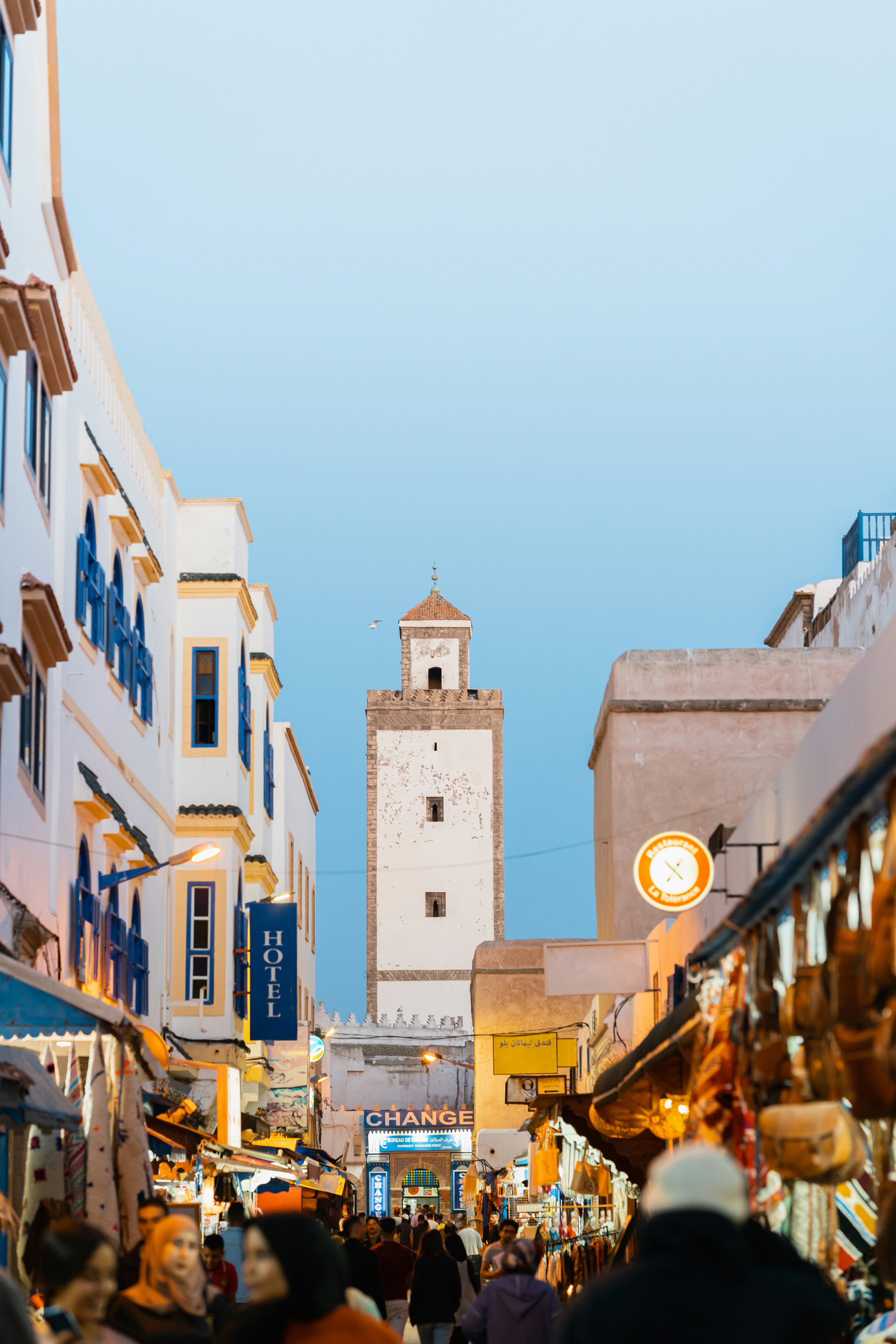
Understanding the Moroccan Business Culture
Conducting business in Morocco requires an appreciation of its unique cultural nuances, which are deeply rooted in history and tradition. One of the most significant aspects of Moroccan business culture is the emphasis on building personal relationships. Establishing trust and rapport is essential before conducting any formal negotiations. This often involves engaging in small talk and demonstrating genuine interest in the lives of your Moroccan counterparts.
Communication styles in Morocco can vary, and it is important to be aware of these differences. Moroccans may favor indirect communication, often relying on non-verbal cues and subtleties. For foreigners, this can sometimes lead to misinterpretations; therefore, patience and attentiveness are crucial in every interaction. Recognizing the importance of respect and politeness in conversations can facilitate smoother business dealings.
Formality plays a pivotal role in Moroccan professional interactions. Meetings typically begin with greetings that can involve a handshake, and possibly a kiss on both cheeks among familiar individuals. It is advisable to address individuals by their titles, particularly in formal settings, demonstrating respect for their position. Moreover, punctuality is appreciated, but it is also customary for meetings to start later than scheduled, reflecting a more fluid approach to time.
Another critical element of Moroccan business culture is hospitality. Inviting business partners for a meal or coffee is a common practice, indicating a sincere desire to foster relationships. Participating in such gestures can greatly contribute to building trust and understanding. By being aware of and embracing these cultural elements, foreign businesses will likely experience increased success when navigating the Moroccan market.
Navigating Legal and Regulatory Frameworks
Morocco’s legal and regulatory environment presents both opportunities and challenges for foreign businesses aiming to establish or expand their operations in the country. Understanding the pertinent laws and regulations is crucial for successful market entry and long-term sustainability. One of the key instruments governing foreign investments is the Moroccan Investment Code, which offers various incentives to attract foreign capital. This code provides a legal framework that fosters a more conducive business environment, ensuring transparency and protection for investors.
Tax regulations in Morocco also play a significant role in shaping business operations. The government provides a distinct tax regime for foreign companies, including corporate tax rates that can be as low as 15% for certain sectors. However, businesses must navigate the complexities of tax compliance and reporting, which require due diligence and preparedness. It is advisable for foreign investors to consult with local experts who can aid in understanding these regulations to avoid legal pitfalls.
Registering a business in Morocco involves acquiring various licenses and permits, which necessitates adherence to specific procedural requirements. The first step typically involves obtaining a patent of allegiance, followed by registering with the tax authorities and the Office of Industrial and Commercial Property. This process can be streamlined by employing local legal counsel to assist in fulfilling regulatory obligations and expediting approvals.
Additionally, understanding labor laws is vital for any foreign enterprise operating in Morocco. The labor code establishes standards for employment contracts, wages, and working conditions, ensuring the rights of workers are upheld while also imposing obligations on employers. Adhering to these labor regulations is not only a legal requirement but also helps foster a positive working environment, which is beneficial for employee retention and overall business performance.
Identifying Key Industries and Market Opportunities
Morocco presents numerous business opportunities across several key industries, making it an attractive destination for local and foreign investors. Understanding the primary sectors where these opportunities lie can greatly enhance a business’s chances of success in the region.
One of the most prominent sectors in Morocco is agriculture. The country has a rich agricultural landscape supported by government initiatives aimed at boosting productivity and sustainability. Key products include citrus fruits, olives, and vegetables, which have strong export demand. Moreover, the Moroccan government has been focusing on promoting agro-industry, which offers chances for businesses involved in food processing and distribution.
Tourism is another significant industry, contributing substantially to the nation’s GDP. With its diverse landscapes, historical sites, and cultural richness, Morocco attracts millions of tourists each year. The government has been investing in enhancing tourist facilities and infrastructure, creating opportunities for businesses in hospitality, travel, and entertainment sectors. Key cities like Marrakech and Casablanca serve as hubs for tourism-related businesses and attract a steady influx of international visitors.
Renewable energy is rapidly gaining importance as Morocco aims to increase its energy independence and reduce reliance on fossil fuels. The country is already a leader in solar energy, with ambitious projects like the Noor Solar Complex. This focus on sustainability is fostering investment opportunities in solar, wind, and hydropower technologies, making it an optimal sector for businesses looking to engage in environmentally friendly solutions.
Lastly, the automotive industry has seen significant growth, with Morocco emerging as an attractive manufacturing hub for car producers. The establishment of various automotive assembly plants by major international brands has prompted growth in supporting industries, such as parts suppliers and logistics services. Investing in this sector can yield substantial returns, given the increasing global demand for vehicles.
By concentrating on these key industries—agriculture, tourism, renewable energy, and automotive—businesses can strategically target their efforts and enhance their potential for success in the Moroccan market.
Building Effective Partnerships and Networks
In the context of successfully doing business in Morocco, establishing strong partnerships and networks is vital for both new entrants and established firms. Collaborating with local businesses provides invaluable insights into the cultural and economic landscape, facilitating smoother operations and fostering mutual growth. These partnerships not only help in navigating local regulations but also enhance credibility amongst local consumers and stakeholders.
To find and cultivate local partners, businesses should consider utilizing a combination of direct outreach and collaborative engagement. Conducting thorough research into the Moroccan market is essential, including identifying key players within the industry and understanding the local business culture. Companies can benefit from reaching out to potential partners via social media platforms or professional networking websites. This approach can serve to initiate conversations, followed by scheduled meetings to discuss mutual interests and collaboration opportunities.
Attending industry events in Morocco presents an excellent avenue for networking. Conferences, trade fairs, and exhibitions attract local and international businesses, offering a hub for exchanging ideas and striking deals. Participation not only increases visibility but also promotes relationship-building with prospective partners in a less formal setting. Establishing physical presence at such events sends a signal of commitment to business operations in Morocco.
Additionally, leveraging business associations and chambers of commerce can significantly enhance networking efforts. These organizations often provide platforms for member businesses to connect, share resources, and collaborate on initiatives. Engaging with these entities also exhibits a dedication to integrating into the local business community, reinforcing the long-term pursuit of effective and sustainable partnerships. Ultimately, a strategic approach to building networks can lead to advantageous relationships and opportunities essential for thriving in Morocco’s business environment.
Adapting to Moroccan Consumer Behavior
Understanding Moroccan consumer behavior is crucial for any business aiming to thrive in this market. Moroccan consumers exhibit unique buying habits that are shaped by their rich cultural background, economic conditions, and societal norms. One notable aspect is the preference for quality over quantity. Consumers tend to favor products that offer durability and value, making it important for businesses to emphasize the quality and benefits of their offerings in marketing strategies.
Moreover, the Moroccan market is characterized by a strong inclination towards local products. Many consumers prefer items that are locally sourced, which reflects a sense of national pride and support for domestic industries. Businesses should consider leveraging this sentiment by promoting local craftsmanship and sustainability in product offerings. The use of traditional designs and materials can also resonate well with consumers seeking authenticity in their purchases.
When it comes to purchasing decisions, Moroccan consumers are often influenced by social factors and family dynamics. Recommendations from friends and family hold significant sway, and word-of-mouth marketing can be a powerful tool in building brand credibility. Engaging with communities and fostering relationships can lead to trust, which is vital for consumer loyalty. Additionally, loyalty programs that reward repeat customers could further enhance the purchasing experience, tapping into the importance of community and social connections.
In terms of marketing strategies, it is essential to utilize culturally relevant messaging. Adapting visuals and narratives to reflect Moroccan traditions and values can create a stronger emotional connection with consumers. This cultural alignment not only fosters engagement but also demonstrates an understanding of local customs and preferences. By embracing these strategies, businesses can successfully navigate the complexities of Moroccan consumer behavior and create tailored offerings that resonate with this diverse market.
Effective Marketing Strategies in Morocco
Successfully marketing a product or service in Morocco necessitates a comprehensive understanding of the local consumer base. One fundamental aspect to consider is language. Morocco is a multilingual country with Arabic and Amazigh as official languages, alongside French, which is widely spoken in business contexts. Crafting marketing campaigns that incorporate local languages and dialects can significantly enhance communication and foster a connection with the Moroccan audience. Ensuring that advertising materials resonate culturally is crucial, as it reflects an understanding of the local market dynamics.
Moreover, leveraging social media platforms is essential for reaching a broader audience in Morocco. Popular platforms include Facebook, Instagram, and WhatsApp, which have gained substantial traction among Moroccan users. Marketers should focus on creating tailored content for these platforms, utilizing visuals that align with cultural symbolism and themes relevant to Moroccan society. Engaging with customers through interactive content, such as polls and quizzes, can also enhance brand visibility and foster a sense of community around the brand.
Understanding cultural nuances is another key element in developing effective marketing strategies in Morocco. Different regions may have distinct customs and traditions that influence consumer behavior. For instance, Northern Morocco might have different preferences compared to the Southern regions. By acknowledging these differences, businesses can tailor their messaging to better resonate with specific demographics. Utilizing local influencers who reflect the values and lifestyles of target consumers can also amplify a brand’s presence. Collaborating with these figures can help instill trust and credibility, ultimately leading to a more successful marketing campaign.
In conclusion, implementing effective marketing strategies in Morocco necessitates an emphasis on language, social media, and cultural understanding. By integrating these elements, businesses can position themselves for success in the Moroccan market, enhancing their outreach and engagement with local consumers.
Dealing with Logistics and Supply Chain Management
Understanding the logistics landscape in Morocco is crucial for businesses aiming to establish a successful presence in the region. Morocco’s geographical location serves as a gateway between Europe and Africa, providing a multitude of transportation options. The country boasts a well-developed network of highways and railways, making road and rail transport viable solutions for moving goods domestically and internationally. The significant ports, including those in Tangier and Casablanca, offer maritime transport options that facilitate import and export activities, thereby enhancing overall logistics efficiency.
However, while these transportation modes present viable opportunities, businesses must also consider warehousing solutions. The demand for storage facilities has been on the rise due to increasing trade volumes. It is advisable for companies to strategically choose warehousing locations to minimize transportation costs and ensure timely delivery of goods. Leveraging third-party logistics (3PL) providers can also be beneficial, as they often provide specialized warehousing services and expertise in local operations.
Customs procedures in Morocco can be complex and time-consuming, presenting a challenge for businesses engaged in international trade. It is essential for companies to become familiar with the regulations governing imports and exports to avoid delays and potential penalties. Engaging a customs broker can streamline the process, ensuring compliance with all necessary documentation and tariffs, which ultimately aids in efficient supply chain management.
Common challenges in Morocco’s supply chain management include infrastructural limitations and socio-economic factors that may lead to unpredictability in delivery schedules. Addressing these issues requires businesses to adopt a proactive approach by incorporating flexibility into their logistics strategies. Establishing strong relationships with local suppliers and logistics partners can enhance reliability and efficiency within the supply chain. Moreover, investing in technology for inventory management and tracking can significantly improve overall logistical operations, leading to smoother processes and better service delivery in this vibrant market.
Understanding Negotiation Styles
Navigating the intricacies of negotiations in Morocco necessitates a keen understanding of the local negotiation styles, which are deeply influenced by cultural norms and traditions. Moroccan negotiation practices often emphasize relationships, patience, and consensus-building. Therefore, it is crucial for business professionals seeking to succeed in this environment to adapt their strategies accordingly.
First and foremost, it is essential to cultivate strong interpersonal relationships before entering into any formal negotiations. Building trust is paramount, as Moroccan business culture values personal connections. This relational approach means that negotiations may not always proceed in a straightforward manner; instead, it can take time for parties to get to know each other, allowing for a more amicable and productive interaction.
Patience plays a pivotal role in Moroccan negotiations. Unlike hurried business environments common in Western contexts, Moroccan negotiations can unfold at a leisurely pace. This means that business professionals should be prepared for longer discussions, and avoid rushing the process or expressing frustration. Demonstrating patience not only reflects respect for the Moroccan culture but also enhances the likelihood of favorable outcomes.
In addition to patience, consensus is vital in Moroccan decision-making. Negotiators should be aware that a decision may not be reached unilaterally; achieving agreement among all involved parties is often the goal. Therefore, it is beneficial to adopt proactive listening techniques and engage all stakeholders in discussions. This inclusive approach fosters trust and contributes to reaching mutually beneficial agreements.
In conclusion, successful negotiations in Morocco hinge on understanding the local styles, which include patience, relationship-building, and consensus-driven decision-making. By embracing these elements, business professionals can navigate the intricacies of Moroccan negotiations with greater confidence and effectiveness.
Preparing for Cultural Differences and Challenges
Engaging in business in Morocco necessitates a deep understanding of its rich cultural landscape. Foreign enterprises often encounter a myriad of cultural differences that can pose substantial challenges if not properly navigated. Misinterpretations arising from cultural misunderstandings can lead to strained relationships, which are crucial in the Moroccan business context where trust and personal connections often underpin successful negotiations.
A significant challenge foreign businesses may face is the fluidity of time perception in Moroccan culture. Unlike the rigid punctuality often expected in Western business environments, meetings may start later than scheduled, and deadlines might be seen as flexible. Understanding this aspect can help mitigate frustration and foster a more adaptable approach to project management. Another area is communication styles; Moroccans may prioritize indirect communication, relying on non-verbal cues and context over straightforward dialogue. Embracing a more nuanced understanding of communication can help in avoiding misunderstandings.
To effectively overcome these cultural hurdles, cultural sensitivity becomes paramount. This entails investing time in learning about local customs, traditions, and etiquette, which underscores respect and genuine interest in Moroccan society. For instance, greetings often involve a handshake followed by a light kiss on the cheek among acquaintances. Moreover, understanding the importance of dining rituals and hospitality can go a long way in building rapport with Moroccan partners.
Additionally, employing cultural intermediaries can be an effective strategy. These individuals possess both local knowledge and an understanding of foreign business practices, serving as a bridge to facilitate smoother interactions. They can provide invaluable insights, assist in negotiation processes, and advise on the subtle social nuances that are critical in Moroccan business dealings.